




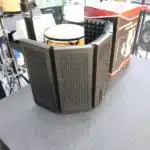
Description
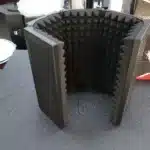
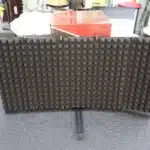
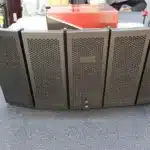
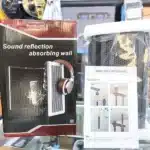
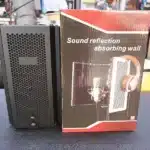
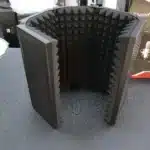
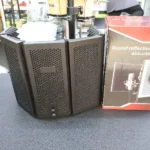
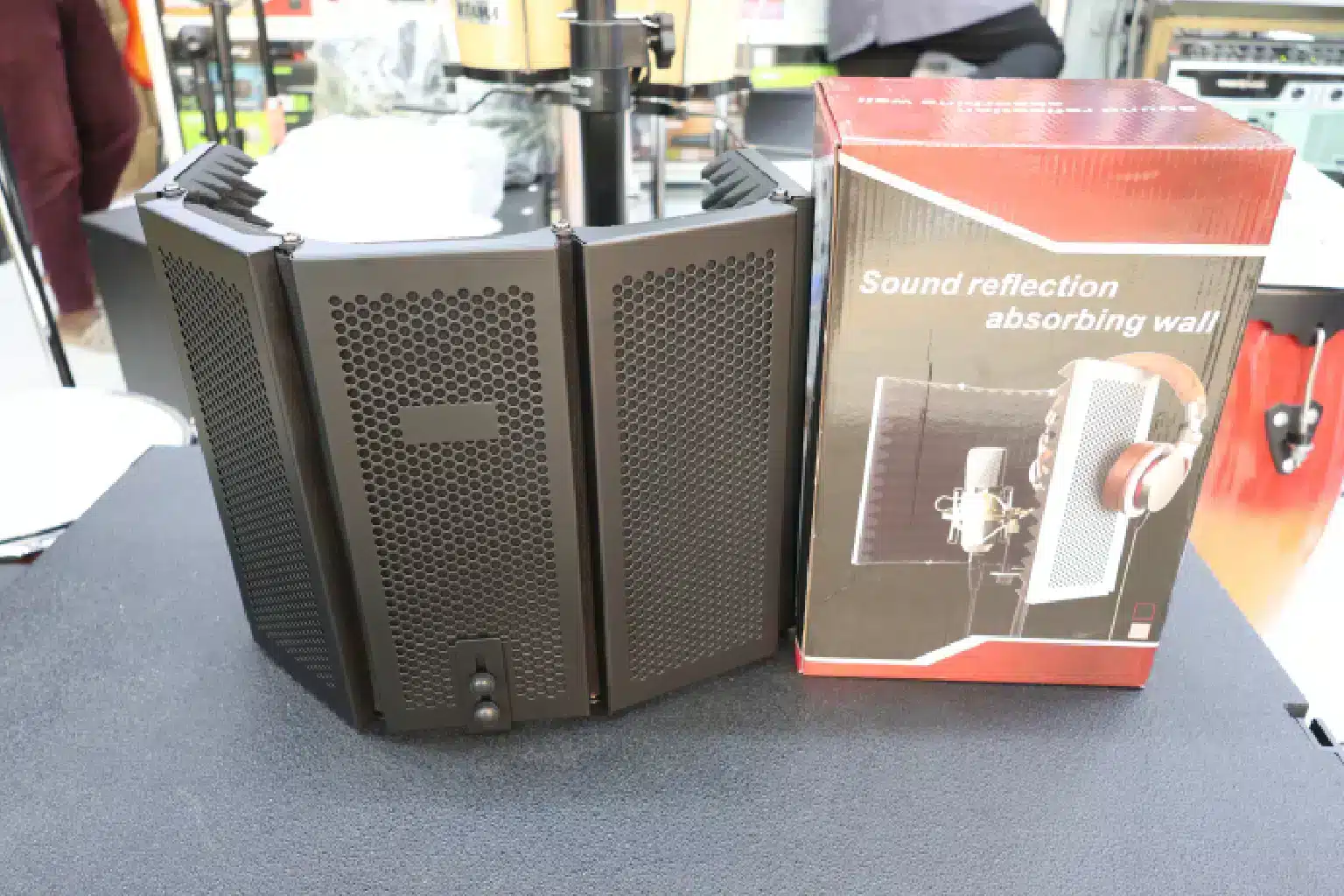
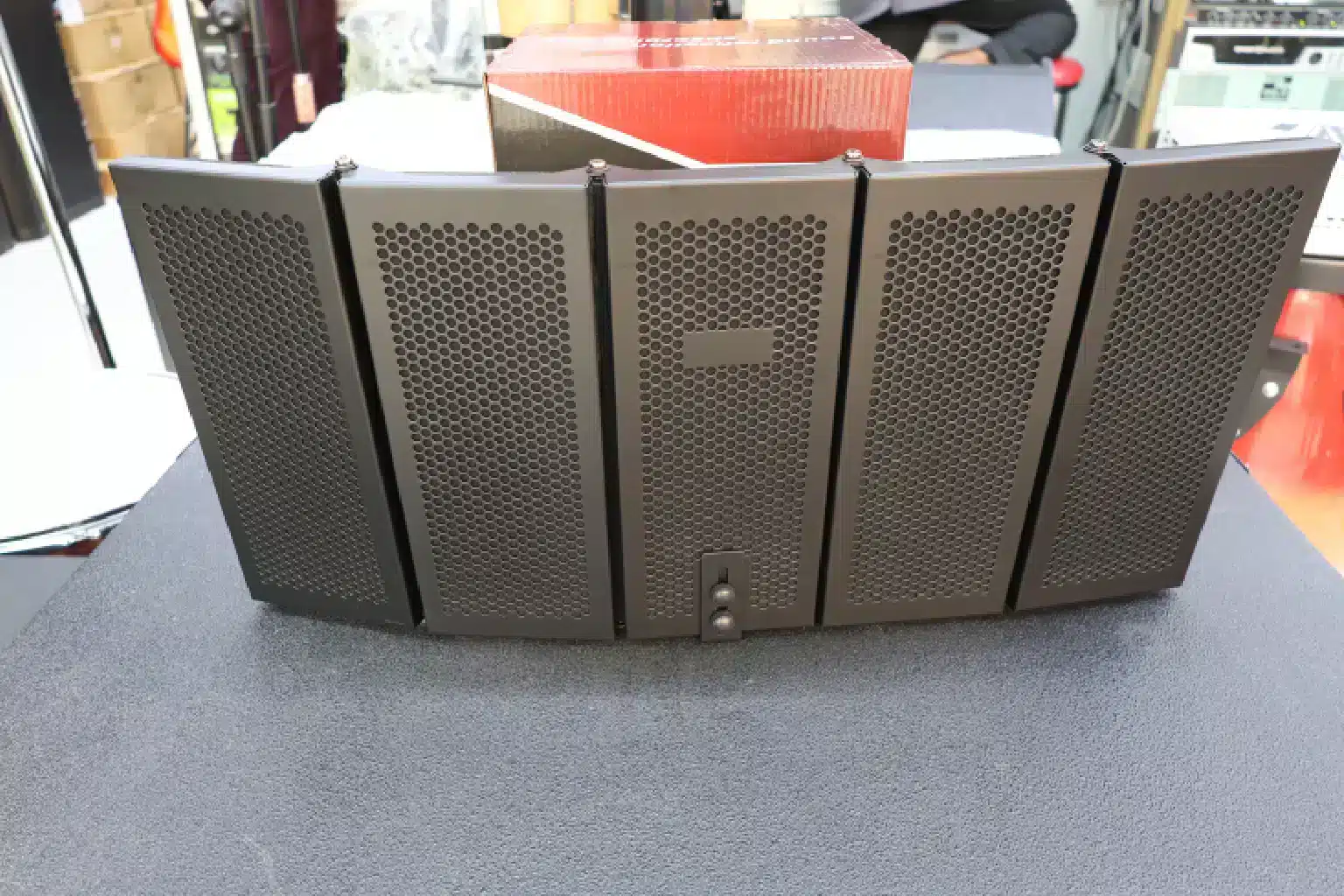
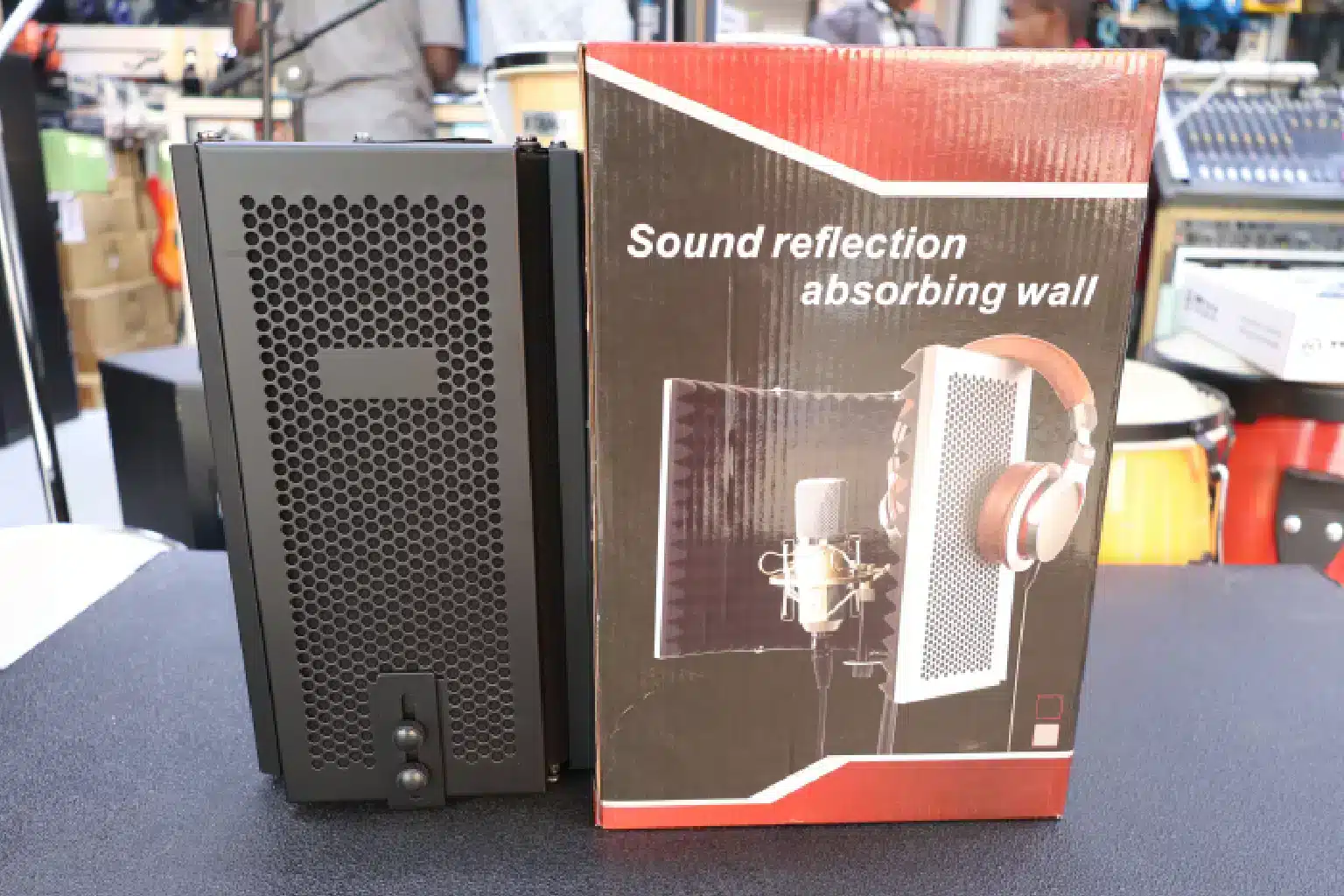
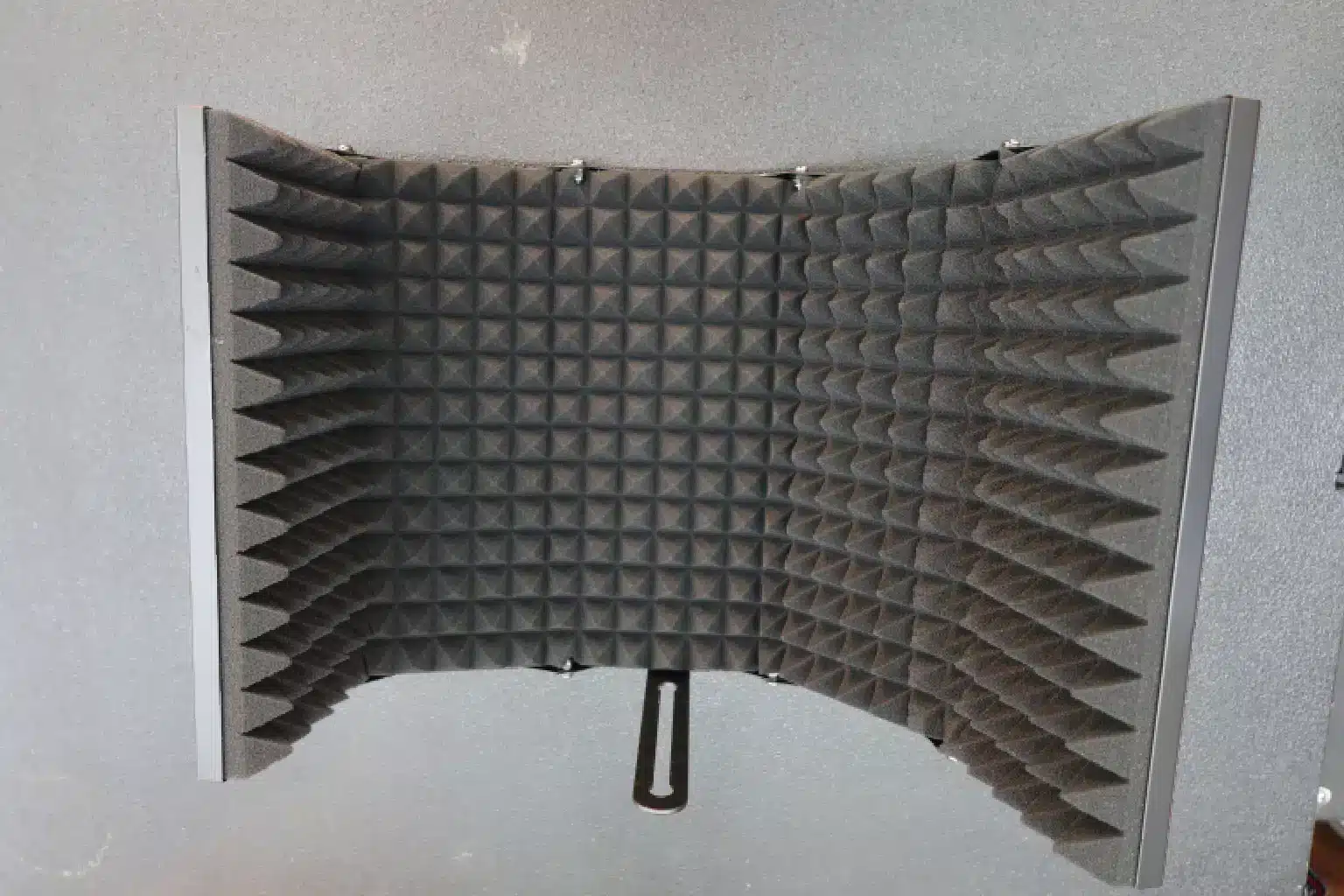 A sound reflection absorbing wall, often referred to as an acoustic absorption panel or soundproofing wall, is designed to reduce noise by minimizing sound reflections. These walls are constructed using materials that have high sound absorption coefficients, meaning they can absorb a significant portion of the sound energy that hits them, rather than reflecting it back into the environment.
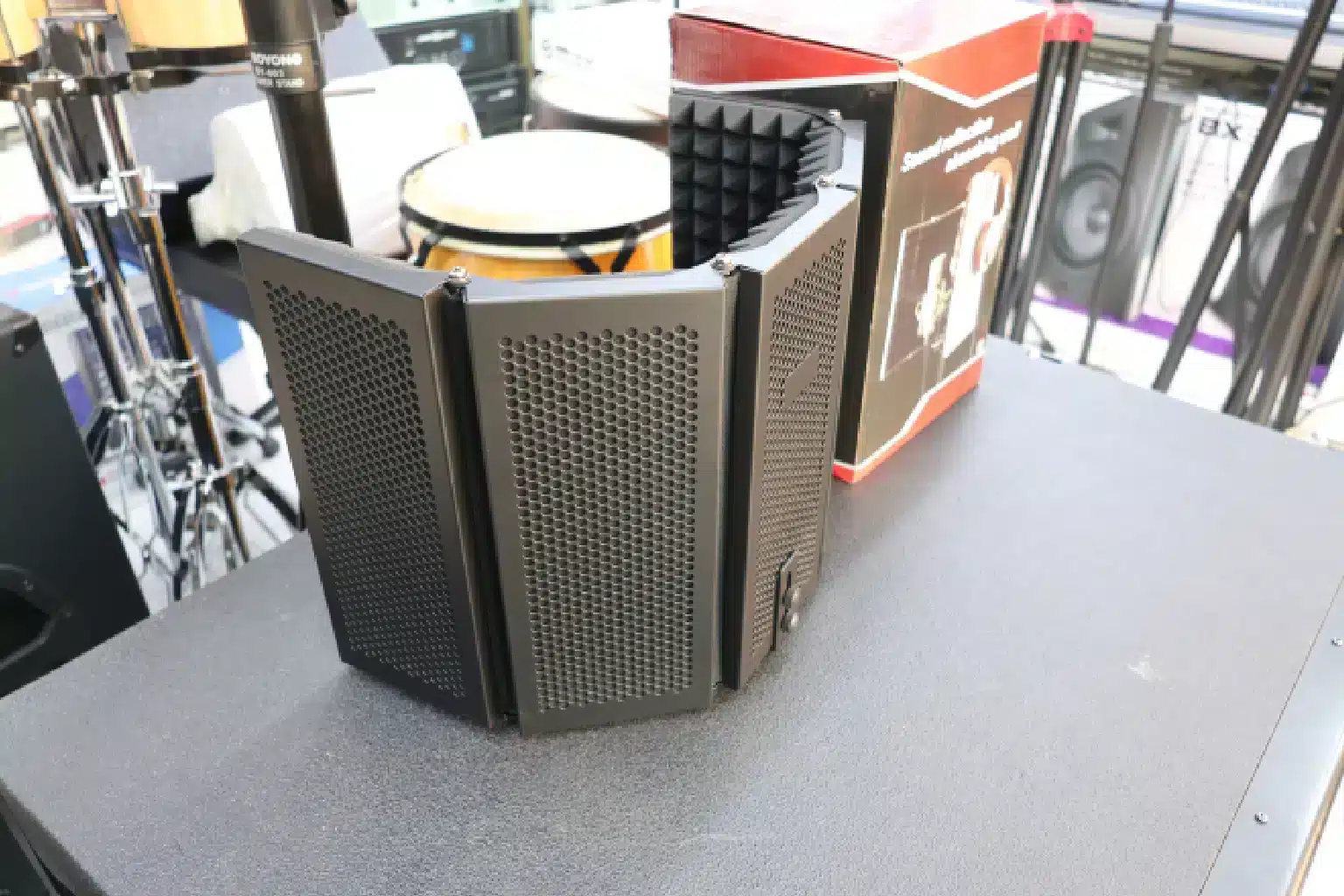 Key features of a sound reflection absorbing wall include:
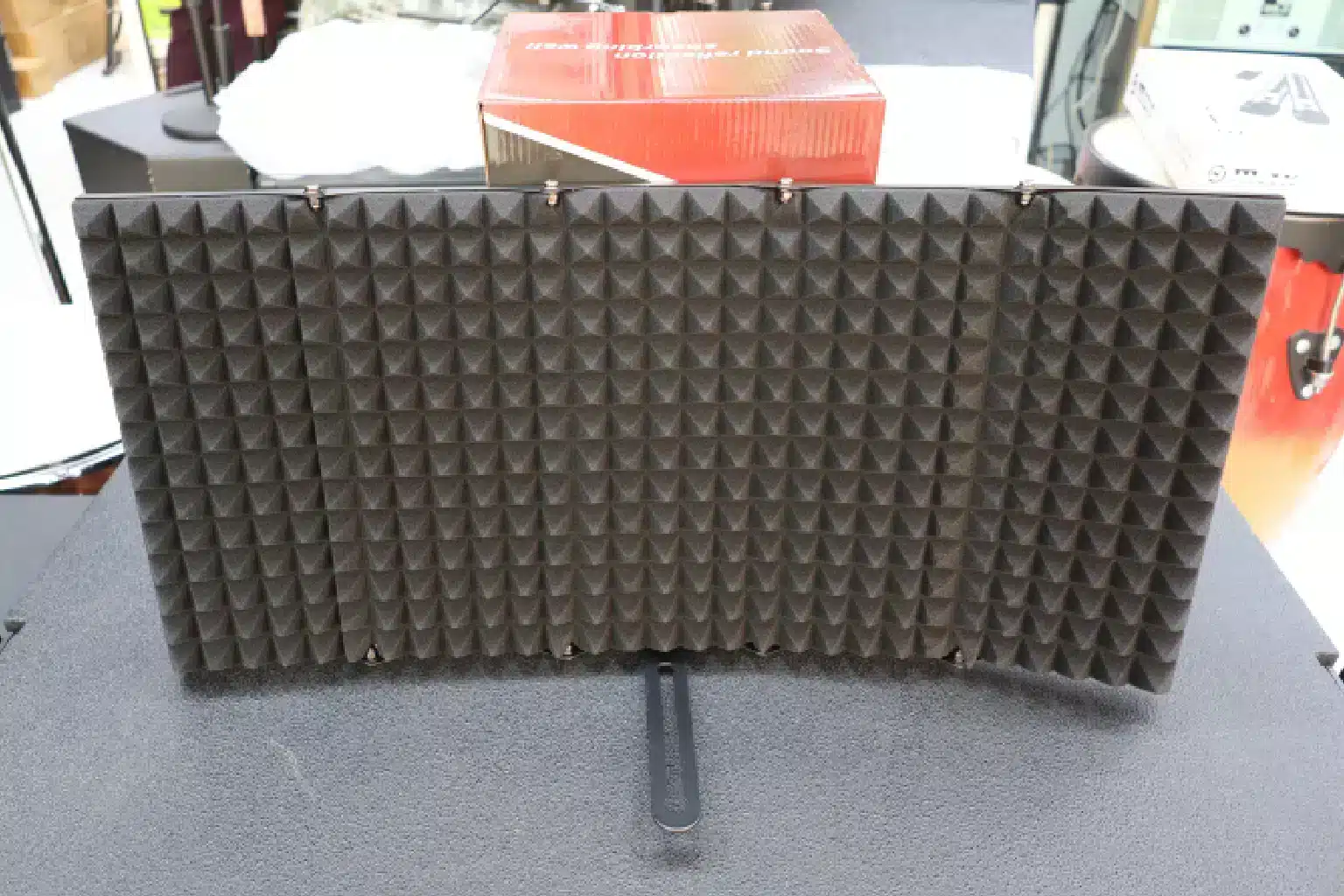
- Material Composition: Typically made from porous materials like fiberglass, mineral wool, foam, or specialized acoustic fabrics. These materials have a structure that allows sound waves to enter and dissipate within them, converting sound energy into a small amount of heat.
- Surface Texture: The surface of these walls is often designed with patterns or irregularities to increase the surface area and enhance the absorption of sound waves across a broad range of frequencies.
- Thickness and Density: The effectiveness of sound absorption is influenced by the thickness and density of the material. Thicker and denser panels generally provide better low-frequency absorption, while thinner materials are effective for higher frequencies.
- Installation: These walls can be installed in various environments such as recording studios, theaters, offices, and residential spaces. They can be mounted directly onto walls, ceilings, or used as freestanding partitions.
- Aesthetic Design: Modern sound absorbing walls come in various colors, shapes, and sizes, allowing them to blend seamlessly with the interior decor while providing functional acoustic benefits.
Overall, sound reflection absorbing walls play a crucial role in controlling acoustics by reducing echo and reverberation, leading to improved sound clarity and a more pleasant auditory environment.
Installation and Placement
Determining Acoustic Needs
Before installing sound reflection absorbing walls, it’s important to assess the specific acoustic needs of the space. This involves identifying problem areas where sound reflections are most pronounced and determining the overall acoustic goals. Factors such as room size, shape, and the intended use of the space will influence the type and placement of acoustic treatment.
Strategic Placement
Proper placement of sound absorption panels is key to achieving optimal results. Here are some general guidelines for effective placement:
First Reflection Points
The first reflection points are areas where sound waves first bounce off a surface before reaching the listener. Treating these points with absorption panels can significantly reduce early reflections and improve clarity. To locate first reflection points, use the “mirror trick”: have someone move a mirror along the walls while seated in the listening position. Mark the spots where you can see the speakers’ reflection and place panels there.
Corners and Edges
Corners and edges are prime locations for bass traps, as low-frequency sound waves tend to accumulate in these areas. Placing bass traps in the corners of a room can help control low-frequency resonances and create a more balanced sound.
Ceiling and Floor
Ceilings and floors can also contribute to unwanted reflections. Acoustic clouds or ceiling-mounted panels can help absorb sound reflections from above, while area rugs or carpets can address reflections from the floor.
Rear Wall
The rear wall, especially in larger rooms, can cause significant reflections that affect the overall sound quality. Treating the rear wall with a combination of absorption and diffusion can help manage these reflections and create a more controlled acoustic environment.
Installation Methods
The installation method will depend on the type of acoustic panels and the specific requirements of the space. Common installation methods include:
Adhesive Mounting
Adhesive mounting is a quick and easy method for installing lightweight foam panels. Specialized acoustic adhesive or double-sided tape can be used to attach panels directly to walls or ceilings. This method is ideal for temporary installations or situations where minimal wall damage is desired.
Mechanical Fasteners
For heavier panels such as fiberglass or mineral wool, mechanical fasteners like screws, anchors, or Z-clips are recommended. This method provides a more secure and permanent installation, ensuring the panels remain firmly in place over time.
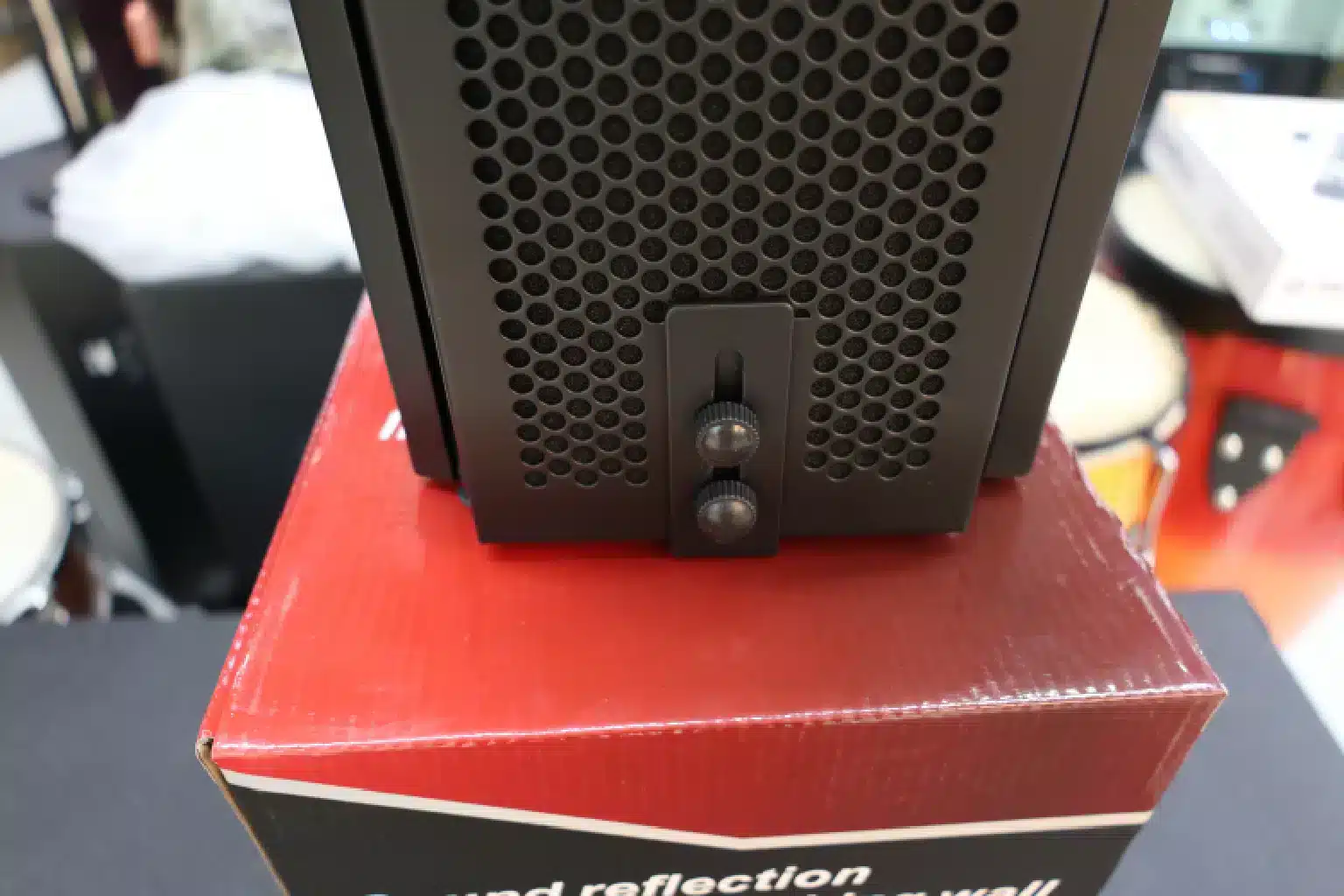
Freestanding Panels
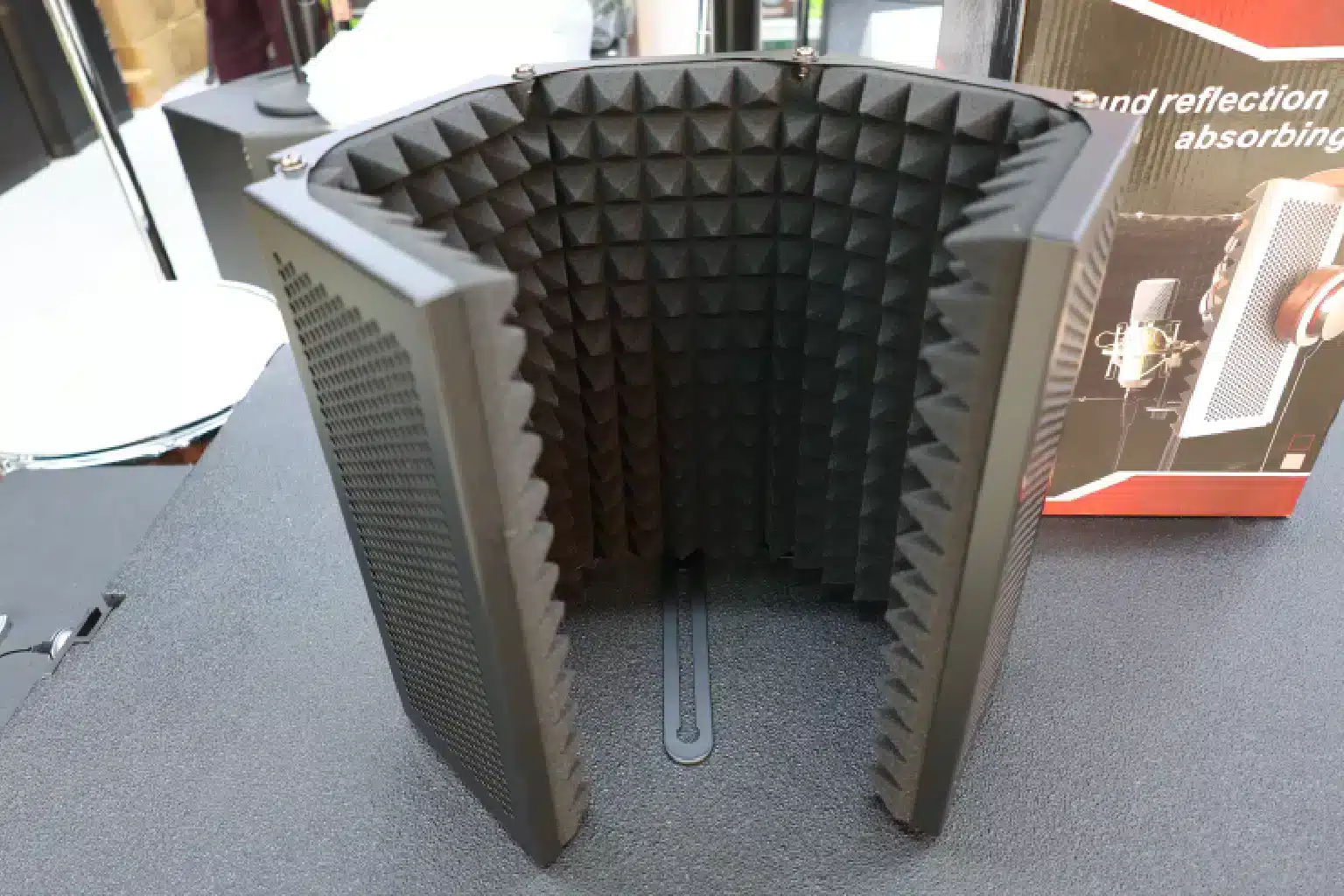
Freestanding panels are versatile and can be easily moved or repositioned as needed. These panels are typically mounted on stands or frames and are ideal for temporary setups, rental spaces, or situations where wall mounting is not possible.
Acoustic Clouds
Acoustic clouds are panels suspended from the ceiling to address reflections from above. They are commonly used in studios, auditoriums, and large rooms where ceiling reflections can be problematic. Acoustic clouds can be mounted using cables, chains, or specialized ceiling mounts.
Customer Reviews
Only logged in customers who have purchased this product may leave a review.
Related Products
Behringer media 40USB Monitor
Order This Via WhatsAppBEHRINGER MEDIA 40USB Features:
- 2-way digital monitor speakers ideally suited for computer studios, audio and multimedia workstations
- True bi-amping mode with 4 amplifiers for ultimate sound resolution
- 40 Watt of digital power amplification
- Powerful woofers and high-resolution tweeters provide an ultra-linear frequency response
- USB input to directly connect digital audio sources
- Two stereo analogue inputs featuring TRS and RCA connectors can be used simultaneously or mixed with a digital stereo source


KRK Rokit 4 Generation 3 Two-Way Active Monitor
Order This Via WhatsAppConfiguration:2-Way
System type:Active Studio Monitor
MF/HF Cone Material:Aramid Glass Composite Woofer
LF Transducer:4″ Aramid Glass Composite Woofer
Frequency Range (-10dB):51Hz – 35kHz
Crossover Frequency:2.3kHz
Total Power:30 Watts
HF Power:10 Watts
LF Power:20 Watts
Peak SPL:100 Watts
Auto-Standby:30 Minutes
Cabinet Material:MDF
Input Connectors:
Unbalanced 7kΩ RCA
Balanced 10kΩ ¼” TRS and XLR. Pin 2 & Tip = Hot\Positive, Pin 3 & Ring = Cold\Negative
KRK Rokit M6 Studio Monitor
Order This Via WhatsAppKRK Rokit M6 Studio Monitor
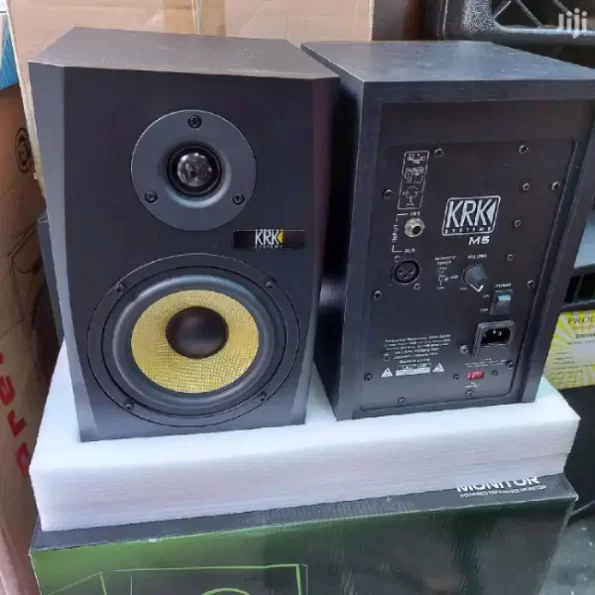
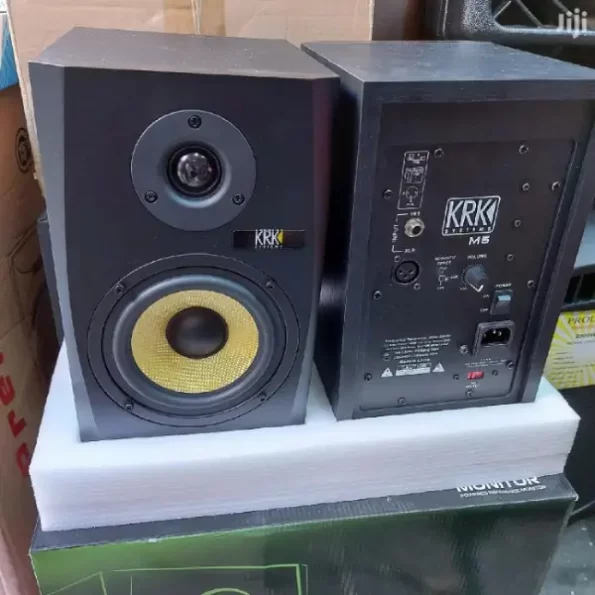
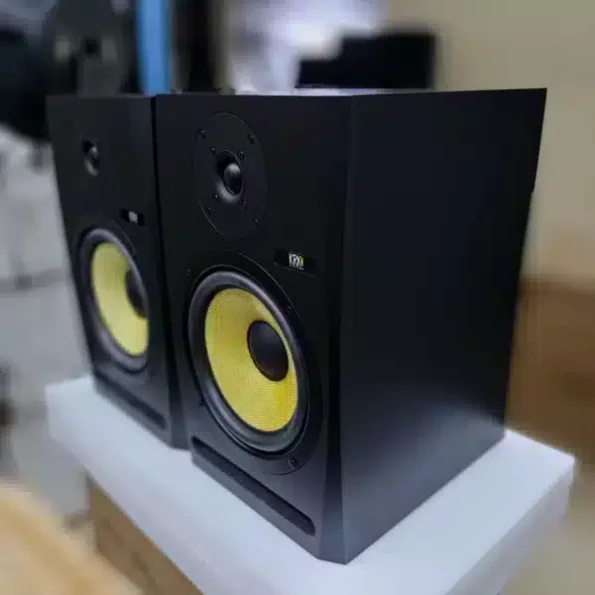
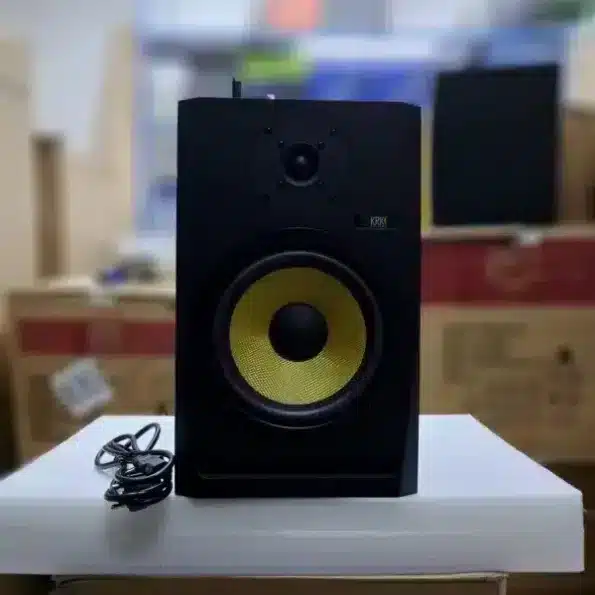
When it comes to professional audio monitoring and sound engineering, having the right tools is crucial. One such tool that has gained significant popularity among audio enthusiasts and professionals is the KRK Rokit M6 Studio Monitor. With its exceptional audio quality, balanced sound, and advanced features, the KRK Rokit M6 offers an unparalleled listening experience. In Kenya, Spectrum Audio is the go-to destination for audio equipment, including the KRK Rokit M6 Studio Monitor. In this article, we will delve into the features, benefits, and overall performance of the KRK Rokit M6 Studio Monitor, while highlighting Spectrum Audio's role in making this exceptional speaker system available to consumers.
Reviews
There are no reviews yet.